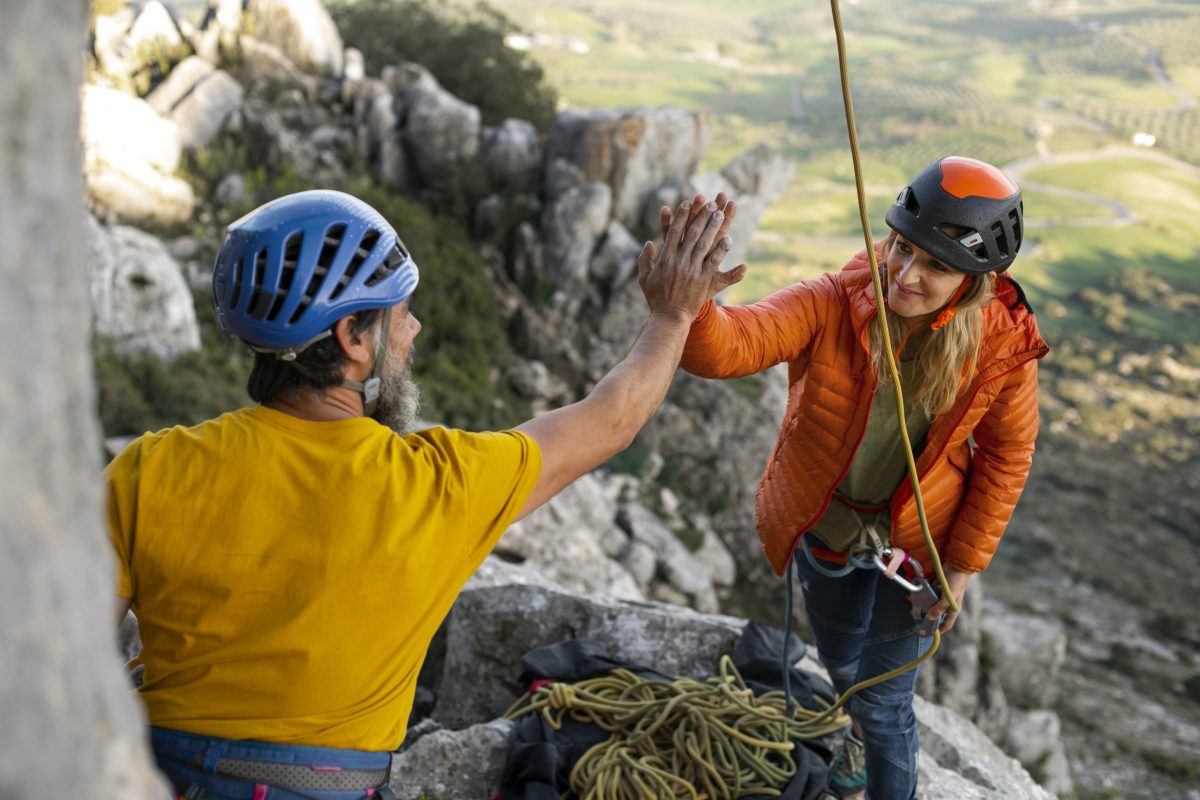


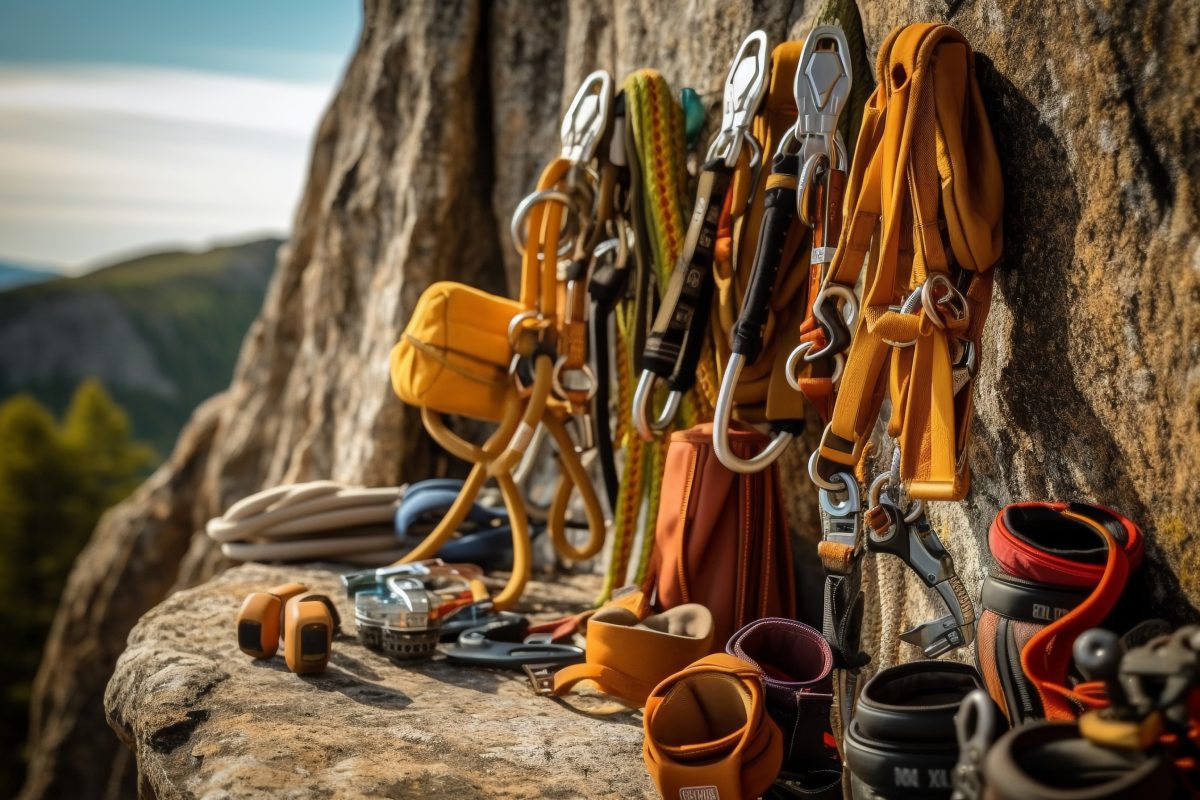
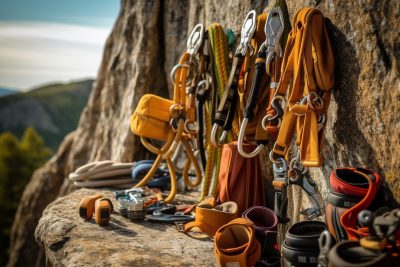
.jpg "Mountain, hiking and fitness safety rope for outdoor rock climbing sport protection with harness. Trekking adventure girl in nature with climber athlete gear for accident prevention in wilderness.")
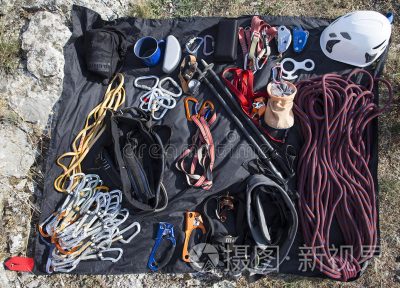
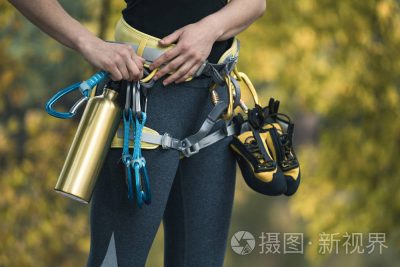
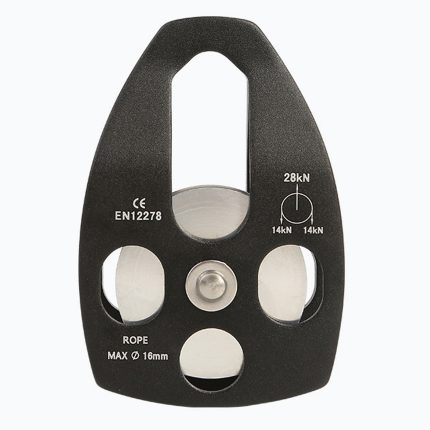
15 Key Tips for Improving Climbing Safety

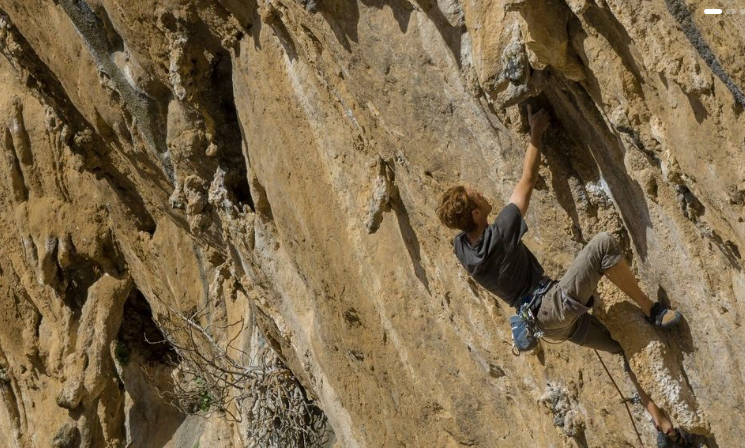
Climbing is a sport that places extremely high demands on both technique and safety. The following systematically summarizes 15 practical suggestions that help enhance climbing safety, covering equipment maintenance, operational standards, mental preparation, and technical practice.
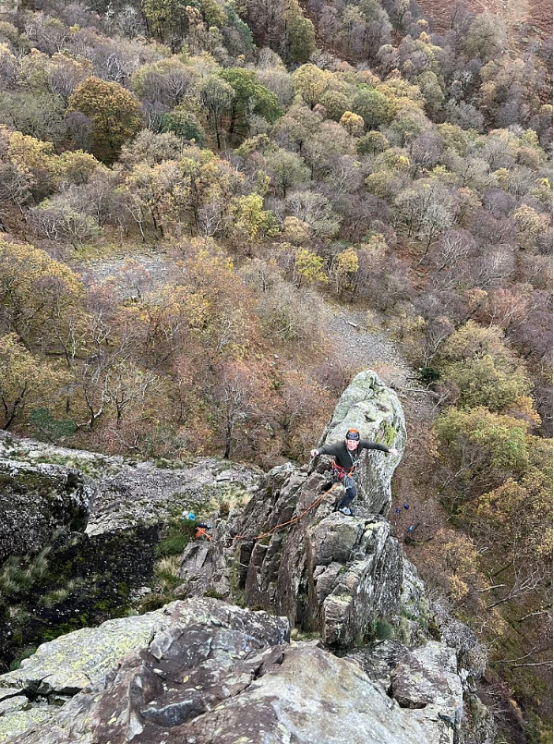
I. Equipment Preparation and Maintenance
1. Keep Climbing Shoes Clean
The sole of the climbing shoe is the primary interface with the rock. A dirty sole can easily cause slipping and accelerate wear on both the shoe and the rock.
It is recommended to thoroughly clean the soles before climbing until they produce a squeaking sound when rubbed by hand.
Using a dedicated towel is more effective than wiping them on your pants leg. If the soles are muddy, wash them with soapy water.
2. Choose and Use Quickdraws Appropriately
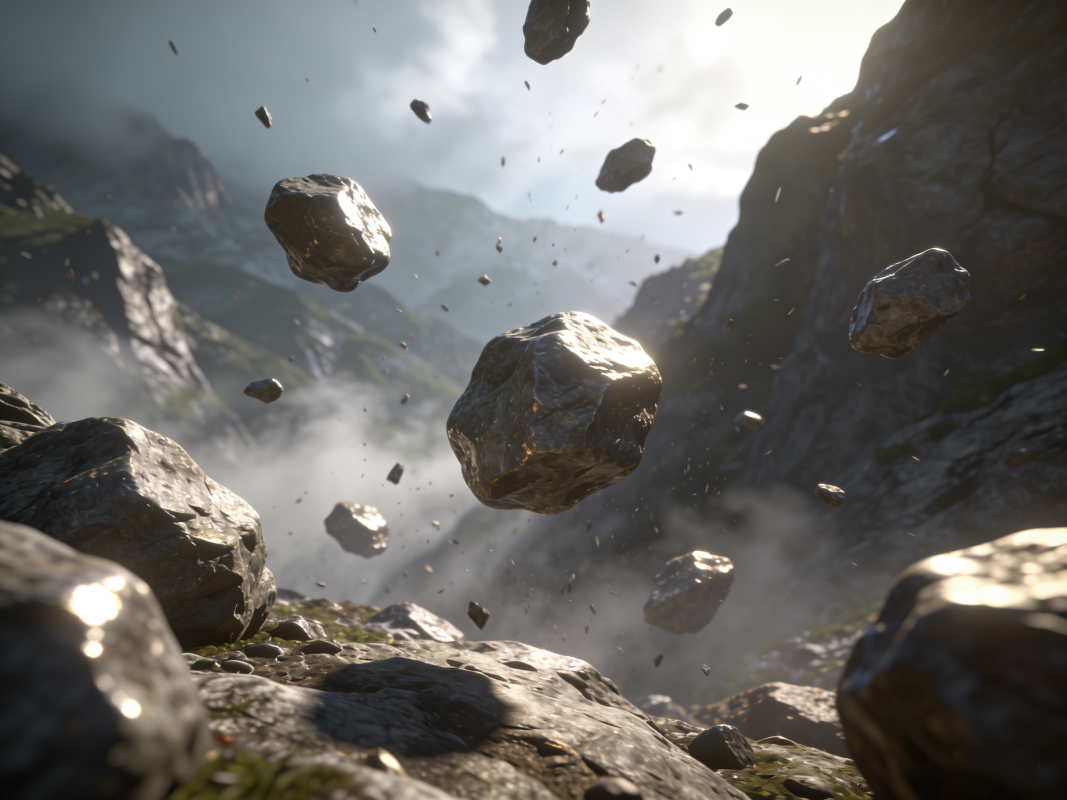
When belaying a lead climber, the belayer should stay as close to the rock face as possible while avoiding risks such as falling rocks or the climber’s potential fall zone.
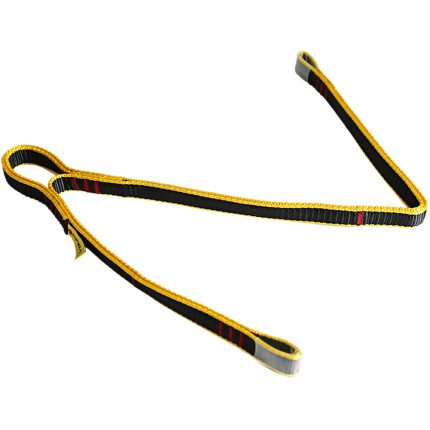
Using longer, more flexible quickdraws is preferable to short, stiff ones, as they help maintain rope position under load, reducing the risk of the belay device being pulled out.
Setting an outward-pulling piece (e.g., a horizontal cam) lower down can further prevent the rope from dislodging.
3. Prioritize Setting Initial Protection
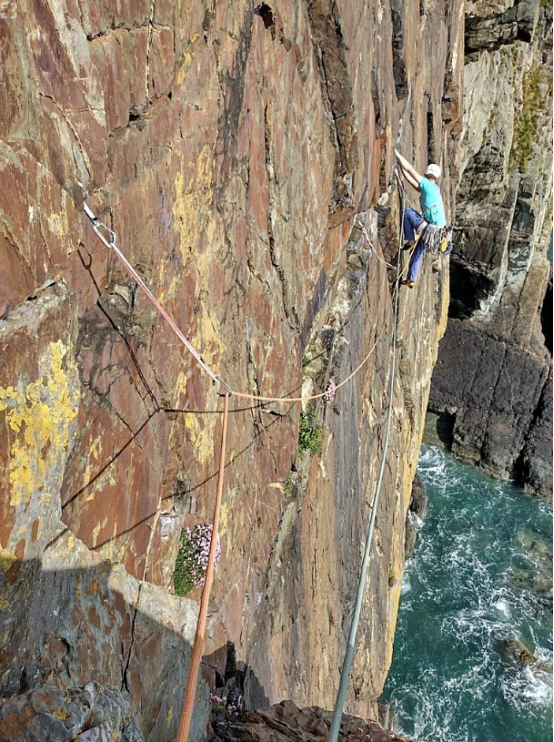
During the initial phase of a climb, set up at least two pieces of protection as soon as possible. This step should not be omitted even on relatively low-angle terrain.
A fall near the ground can still result in serious injury. When climbing with half-ropes, it is advisable to independently set two pieces of protection on each rope to increase redundancy.
II. Operational Standards and Checks
1. Strictly Implement the Partner Check System
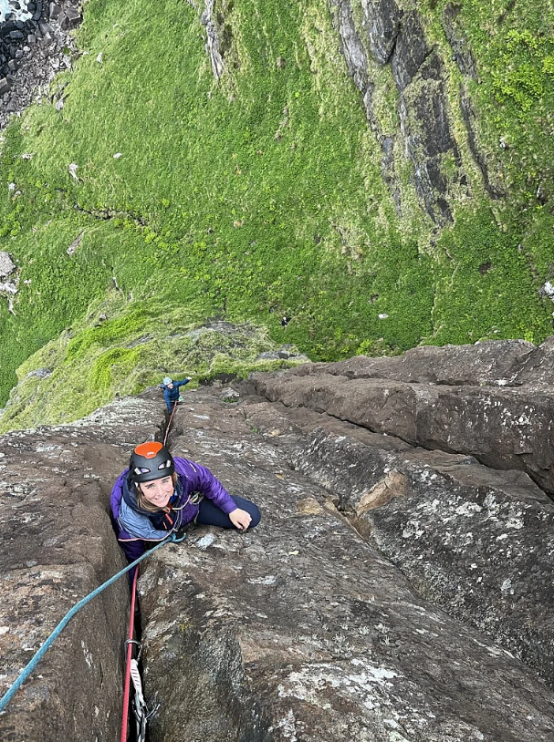
Before starting, a two-way check must be performed, including harness wear, belay system setup, rope-end knots, etc.
In traditional climbing, both the leader and the second should complete mutual checks to ensure the system is correct before beginning the climb.
2. Establish Standardized Operating Procedures
It is advisable to develop fixed operating habits, such as only signaling “safe” or “off belay” after the anchor is set.
Standardized procedures improve efficiency and reduce operational errors.
In special situations, adjustments based on experience are necessary, but at least one reliable connection method must be ensured.
3. Correctly Place and Test Protection Devices
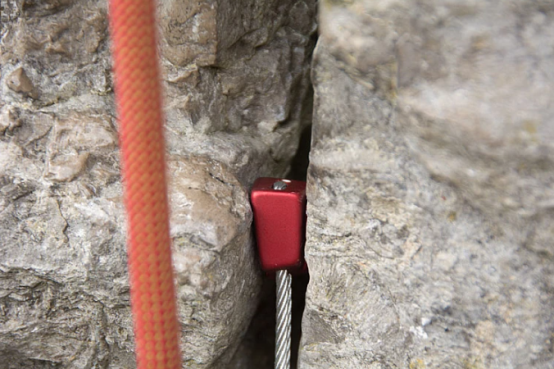
When placing protection devices, ensure they are unlikely to be pulled out. After selecting the correct size, give it a few gentle tugs to set it into the rock, while using the other hand to stabilize your body to prevent accidentally pulling the piece out during testing.
The cost of a protection device is far lower than medical bills, so never risk safety to save gear.
III. Technical Practice and Risk Management
1. Master the Use of Various Protection Devices
One should master the placement techniques for various protection devices such as nuts and camming devices, especially on steep terrain.
Practice on low-difficulty routes under the guidance of an experienced climber is recommended.
High-quality gear like DMM Wallnuts and Wild Country Rocks perform well on British-style rock faces due to their design and alloy properties.
2. Use Existing Fixed Equipment Cautiously
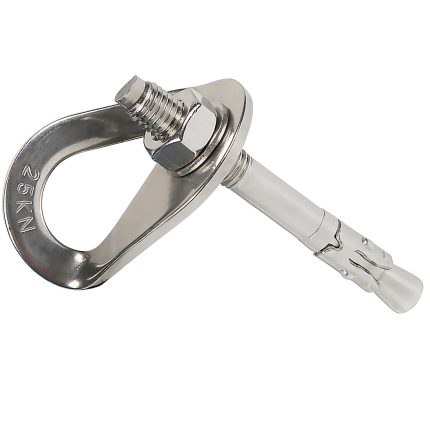
Be cautious of old fixed protection on the rock face (e.g., bolts, pitons, abandoned slings). Natural aging can significantly compromise their reliability.
Inspect them carefully before use and always try to back them up with your own gear.
3. Learn Multi-pitch Climbing and Retreat Techniques
Multi-pitch climbing is essentially the continuous application of single-pitch techniques. Pay attention to ensuring there is a reliable anchor above before removing pieces of protection.
Mastering safe retreat skills is equally important, such as setting up equalized anchors, using double-rope rappels, etc., to minimize the loss of equipment as much as possible.
4. Maintain Protection Even on Ledges
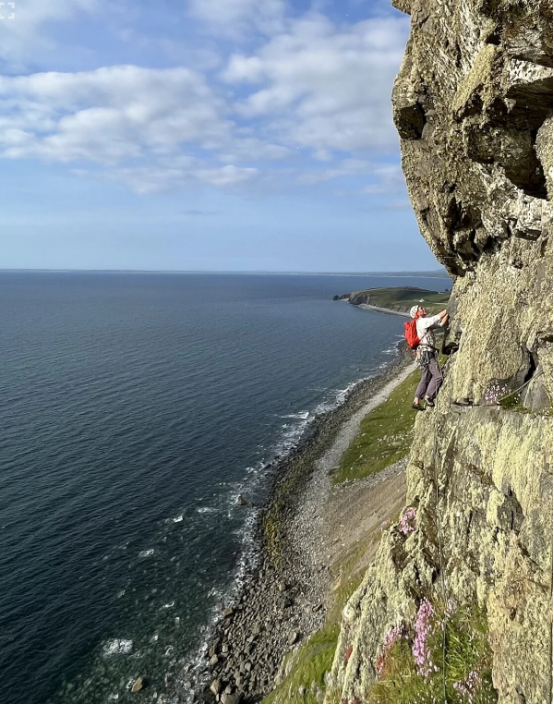
Even on relatively flat ledge terrain, continue to set protection. A fall from above a ledge can lead to impact injuries.
Do not let your guard down simply because the terrain appears easy.
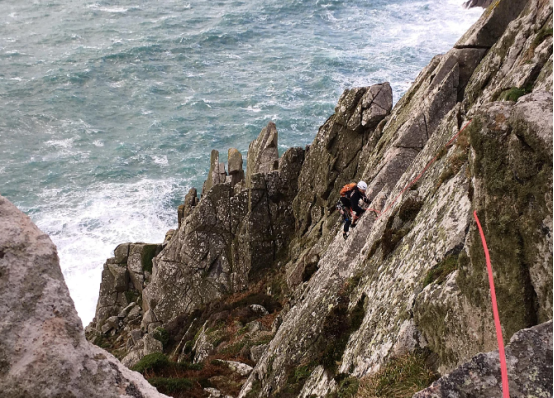
IV. Safety Protection and Mental Preparation
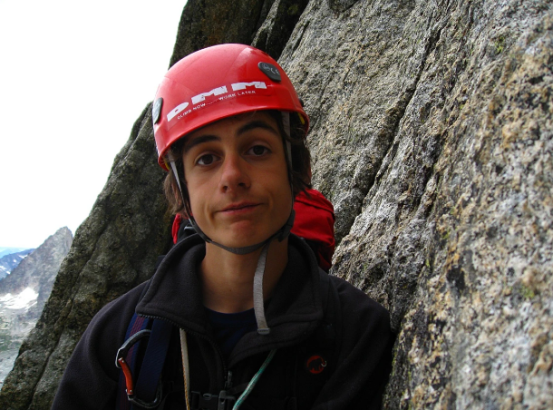
1. Always Wear a Helmet
Modern helmets are lightweight and well-ventilated, effectively preventing head impact injuries. The head is extremely vulnerable; a single impact can cause serious injury.
Therefore, a helmet should be worn for any type of climbing.
2. Stay Focused on the Belay Task
The belayer should maintain full concentration throughout, avoiding distractions.
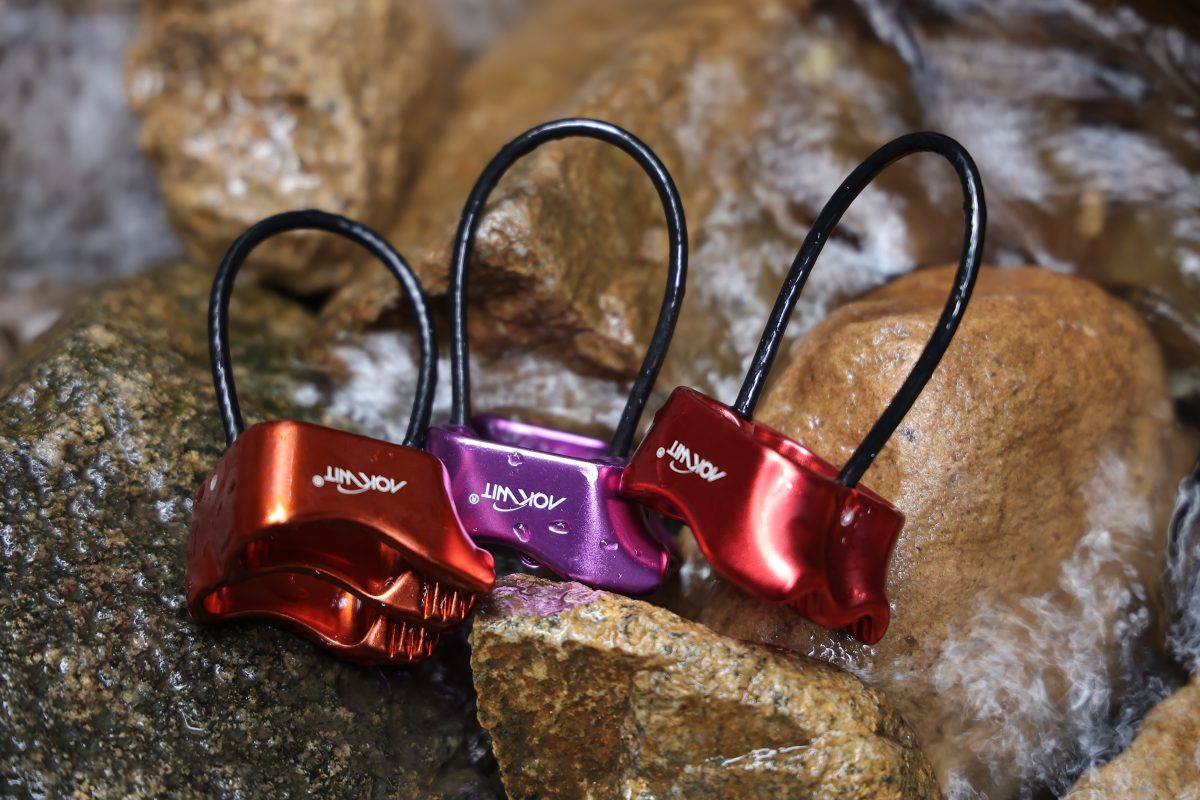
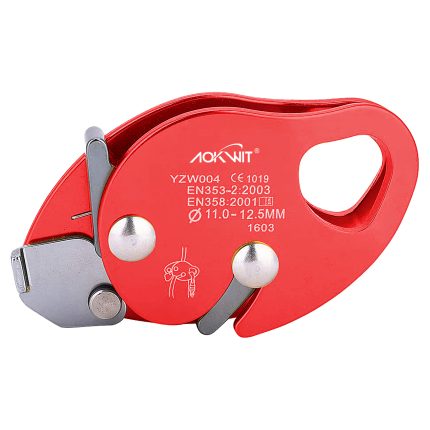
Using an assisted braking device can enhance control, especially in indoor or sport climbing settings.
If dissatisfied with the quality of the belay, communicate promptly or consider changing belayers.
3. Progressively Increase Difficulty
Progress in climbing should not be rushed, especially in traditional climbing.
It is recommended to gain sufficient experience at each difficulty grade (e.g., completing around ten routes per grade) before attempting to move up.
Classic climbing guides like Classic Rock can provide references for beginner routes.
4. Climb with More Experienced Partners
Climbing with more advanced partners allows you to quickly improve your own skills by observing their techniques, protection placement, and risk management approaches.
Experienced climbers typically adhere to more rigorous safety habits.
V. Information Discernment and Cultural Awareness
1. View Online Climbing Information Rationally
Climbing techniques encompass various schools of thought and cultural differences.
Many methods, while different, are all safe within their proper context. When encountering technical debates online, judge them based on your own learned system and practical experience, avoiding blind following or outright dismissal.
For example, the attachment point for a belay device (belay loop or gear loops) varies by regional custom, and both can be safe when operated correctly.