



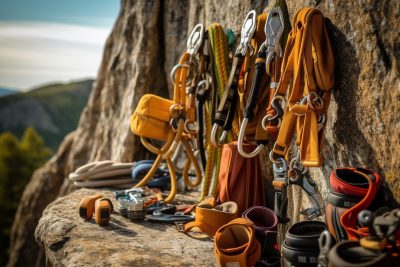
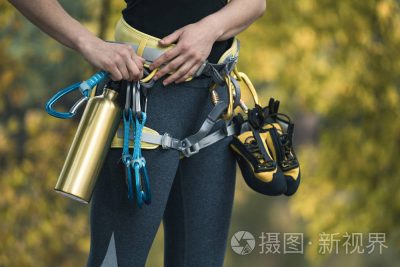
.jpg "Mountain, hiking and fitness safety rope for outdoor rock climbing sport protection with harness. Trekking adventure girl in nature with climber athlete gear for accident prevention in wilderness.")

Practical Measures to Reduce Rockfall Risk in Rock Climbing

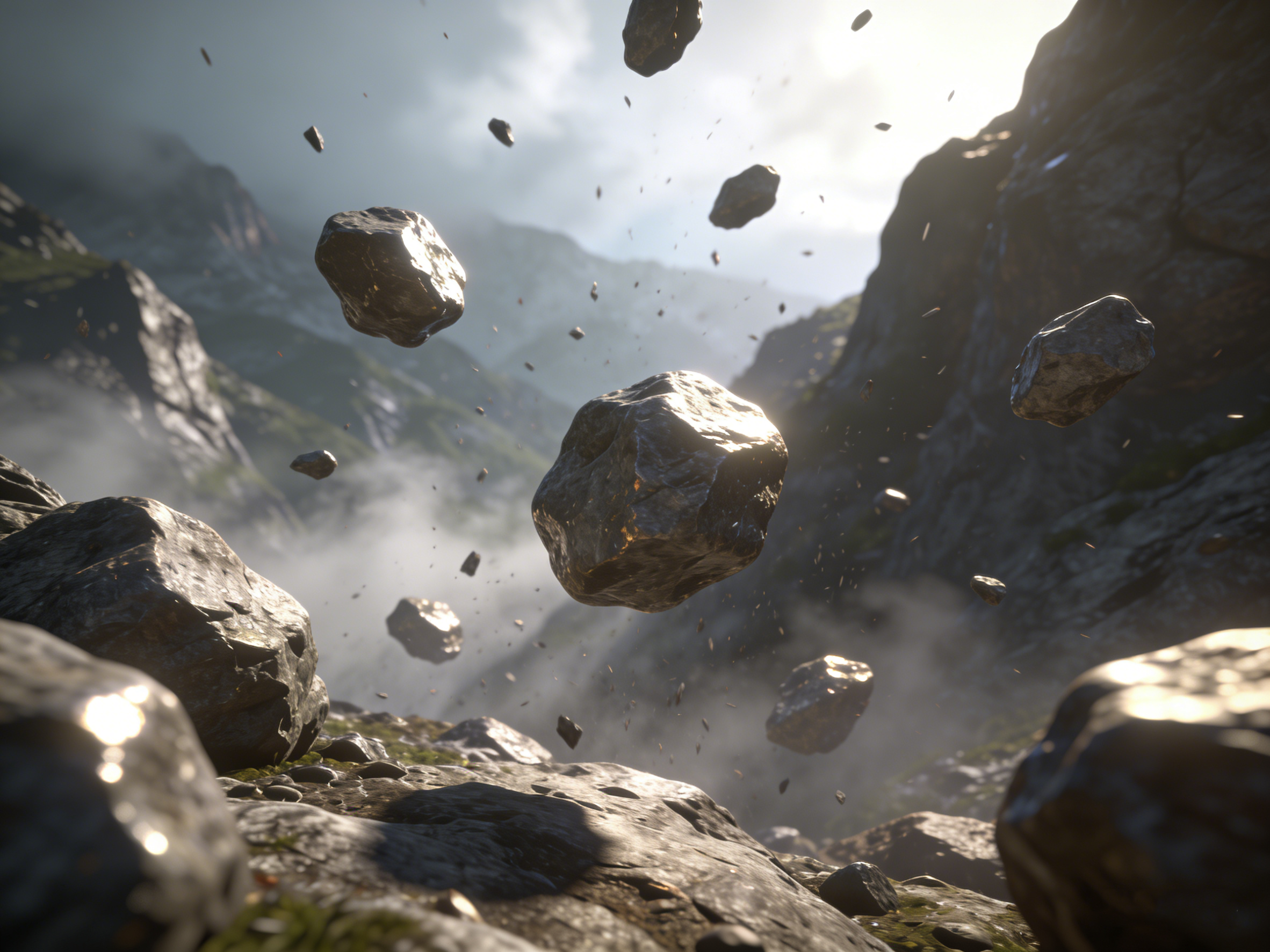
Rockfall is a common natural hazard in rock climbing, posing a serious and potentially fatal threat within an inherently dangerous activity.
Climbers who have been fortunate enough to avoid injury from rockfall over a long period often still accumulate numerous close calls.
Analysis of Rockfall Causes
Geological and geotechnical expert Anna Litura points out: “Gravity is one factor that pulls rocks down, but gravity alone is not enough to cause rockfall.
The key is the presence of fractures within the rock mass and the weakening of the bond between rock fragments and the parent rock due to weathering.
In most cases, chemical or mechanical weathering acts together with gravity to cause detachment.
Additionally, rain, melting snow, water flow, or human and animal activity can also trigger rockfall.”
Definition of Rockfall Risk
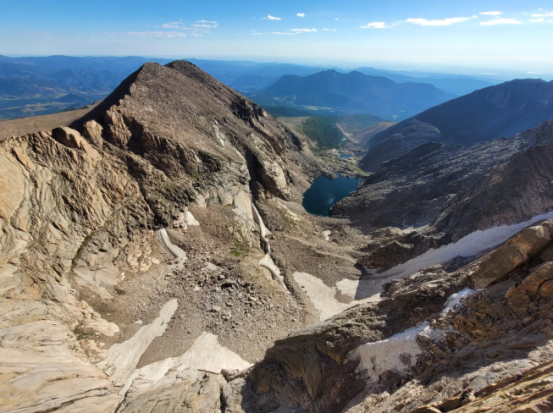
According to the United States Geological Survey (USGS), rockfall is defined as
“the sudden downslope movement of geological materials such as rocks or boulders along a steep slope or cliff.
Detachment typically occurs along discontinuities such as faults, joints, or bedding planes, with movement modes including freefall, bouncing, and rolling.“
As a potential hazard, rockfall can occur at any time, regardless of whether a climber has personally experienced it.
A hazard only becomes a risk when a person is exposed to it. Therefore, taking effective measures to reduce this risk is crucial.
Factors Increasing Rockfall Risk
2025 North American Climbing Accidents Report published by the American Alpine Club recorded eight accidents related to rockfall in 2024.
Report editor Pete Takeda noted that this number is close to the historical average and added that rockfall incidents in certain years are particularly concerning due to their outcomes or circumstances.
For instance, in 2023, three incidents involved rocks hitting bystanders at the base of cliffs, two of which resulted in fatalities, despite the victims wearing helmets.
Takeda emphasized: “Even when at the base of a cliff and wearing a helmet, rockfall can still have fatal consequences.”
Although the specific circumstances of each accident differ and rockfall risk cannot be completely eliminated, climbers can adopt a series of strategies to mitigate the threat.
Common Rockfall Triggers
Understanding common triggers is the first step in prevention, including:
- Mechanical Weathering: Freeze-thaw cycles, plant root growth, storms, etc.
- Chemical Weathering: Chemical reactions between water and rock, leading to structural weakening.
- Human and Animal Activity: Walking or climbing on steep rock faces.
- Moisture Effects: Rainfall, melting snow, or irrigation water seeping into cracks, lubricating structural planes.
- Erosion: Erosion caused by rivers, glaciers, landslides, or human activities.
Terrain and Lithology Assessment
When assessing rockfall risk, it’s important to note that no rock type is absolutely safe or dangerous.
Litura explains that all rock types can experience rockfall, but “cliff faces with dense fracturing, sections that have already broken into gravel, soft rock, and layered rock” are more prone to exfoliation or collapse.
Therefore, climbers should be alert to the following signs, regardless of the lithology:
- Cracks appearing around the rock mass.
- A hollow sound or noticeable vibration when tapped.
- The presence of flaky or loose rock blocks.
- Chalk marks forming an “X” symbol.
Avoiding High-Risk Periods for Climbing
Rockfall occurs more frequently during certain seasons and under specific weather conditions.
Litura notes: “Rockfall incidence is typically higher during active freeze-thaw cycles.”
Frost wedging—where water in cracks freezes and expands at night—exerts tremendous pressure on the rock mass, gradually causing it to fracture.
Therefore, extra caution is needed on cliff faces in cold regions during early spring after winter.
Furthermore, rain or severe weather events can also loosen rocks, making periods after heavy rainfall or snowmelt high-risk.
Human factors are equally important, such as forming “conveyor-belt” style climbing queues on popular routes or lingering below busy climbing areas, which increase exposure to rockfall danger.
7 Measures for Climbers to Mitigate Rockfall Risk
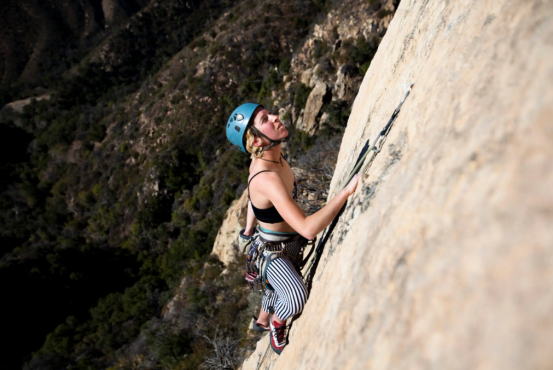
1. Wear a Helmet
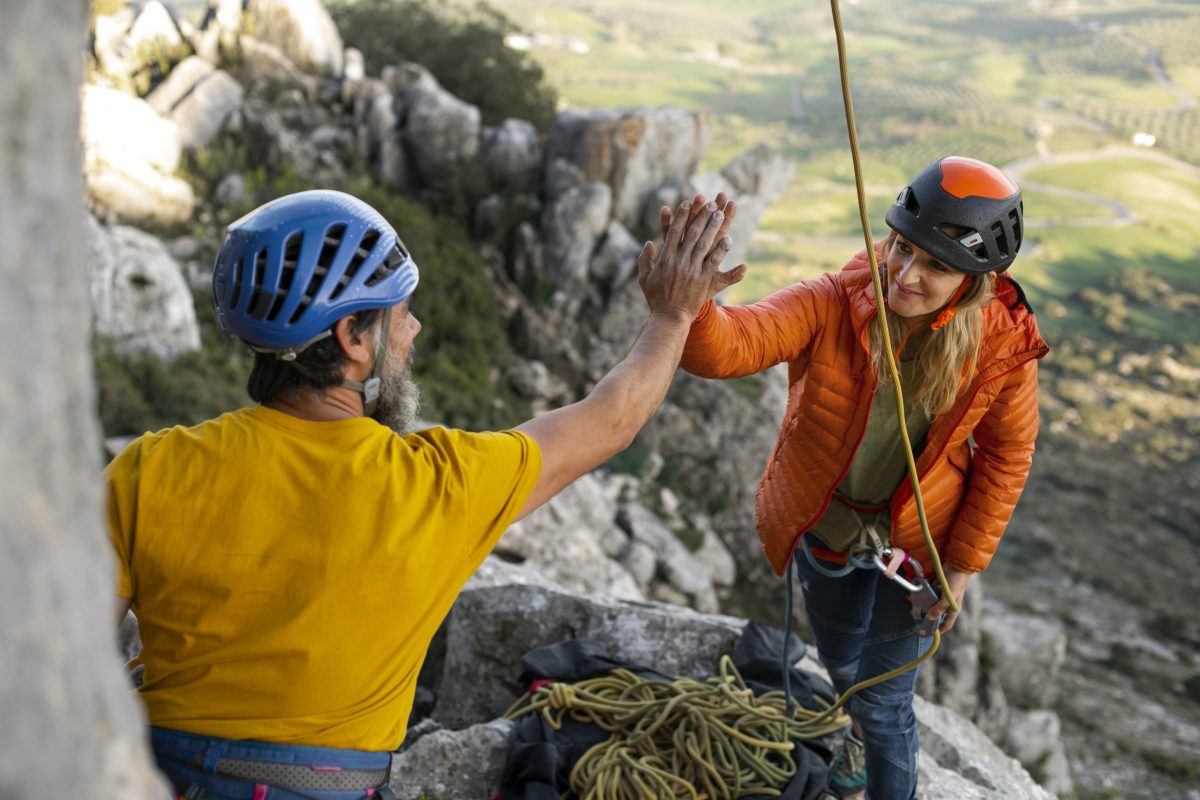
A helmet is crucial equipment for reducing head injuries. While it cannot completely prevent severe impacts, it can significantly reduce the severity of injury. Both climbers and belayers should always wear one.
2. Manage Ropes Properly
Ropes can dislodge loose objects during dragging. It is recommended to use lead rope pads to keep the rope off the ground and to secure ropes in a rope bag or backpack during rappelling to minimize the chance of disturbing rocks.
3. Observe and Test the Rock
On long multi-pitch climbs or in complex mountain terrain, continuously assess the stability of the rock. Be alert to danger signs such as hollow sounds, loose feel, or flaky structures.
4. Avoid Holds Marked with “X”
Holds marked with a chalk “X” typically indicate unreliability and should be avoided. If a dangerous rock is discovered during a climb, it can be marked to warn others.
5. Protective Strategies for the Belayer
Belayers and anyone staying at the base should wear helmets and avoid looking directly upward if rockfall occurs. Keep the head directly above the shoulders, allowing the front of the helmet to face the direction of falling rocks.
6. Seek Shelter Close to the Cliff Face
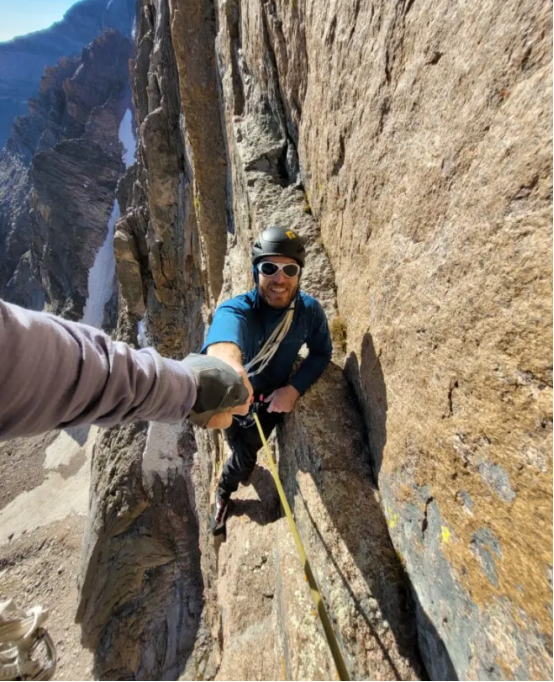
Most falling rocks bounce outward after hitting the cliff face. Upon hearing a rockfall warning, try to stay close to the rock to find cover, rather than moving outward.
7. Maintain Focus and Anticipation
Maintaining focus during belaying helps in early detection of signs of loosening rocks, allowing for quick judgment of their trajectory and threat level, and enabling appropriate evasive action.
Conclusion
The risk of rockfall is always present in climbing. However, by understanding its causes, identifying hazardous environments, and implementing systematic protective measures, climbers can significantly reduce the associated risks.
In the incident described earlier, the climbers remained unharmed due to wearing helmets and taking timely evasive action.
This further illustrates that the combination of prior preparation and on-site response is a vital foundation for ensuring climbing safety.