



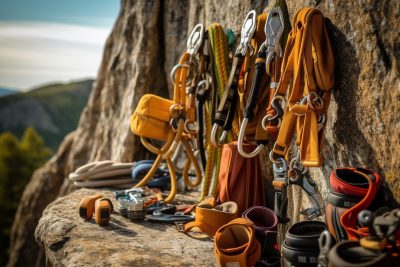
.jpg "Mountain, hiking and fitness safety rope for outdoor rock climbing sport protection with harness. Trekking adventure girl in nature with climber athlete gear for accident prevention in wilderness.")


Transitioning Safely from the Climbing Gym to Outdoor Climbing: 5 Key Techniques

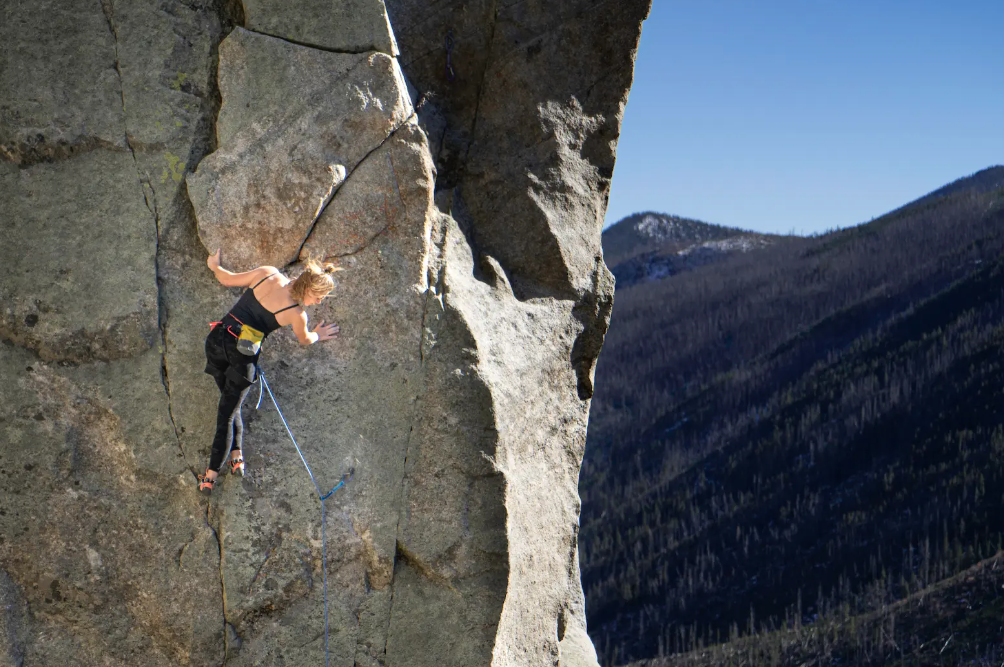
Climbing gyms provide an excellent environment for training and learning, but there are significant differences between them and real outdoor rock faces.
The number of climbing gyms is increasing, attracting many people to try climbing for the first time and gradually move toward outdoor practice.
However, some habits formed during indoor climbing can hinder progress or even pose safety risks when transferred outdoors.
To avoid common mistakes and enhance safety and efficiency in outdoor climbing, the following five techniques are worth noting.
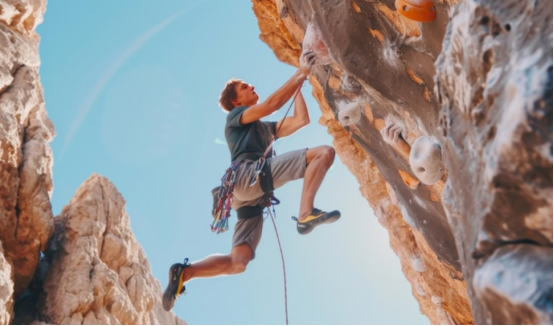
1. Avoid Belaying Far from the Base of the Climb
The common “standing back” practice in indoor settings, where the belayer is often positioned 10 to 15 feet away from the wall to observe the entire route, is not suitable outdoors.
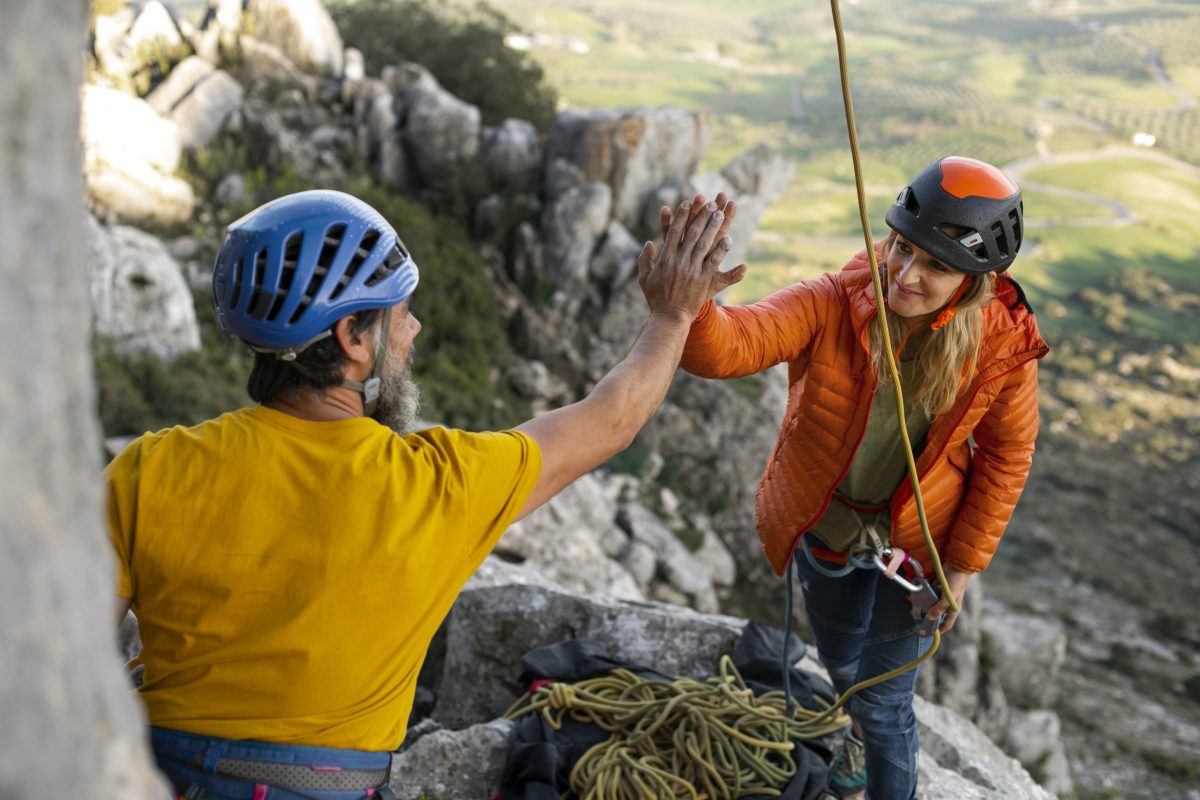
When climbing outdoors, the belayer should stand directly below and slightly to the side of the first bolt or protection point.
This allows the belayer to pull upward rather than let the climber swing into the wall in the event of a fall.
As the climber ascends, the belayer may move back moderately but should remain near the first bolt.
Mastering safe fall-absorbing techniques is just as important as improving climbing skills.
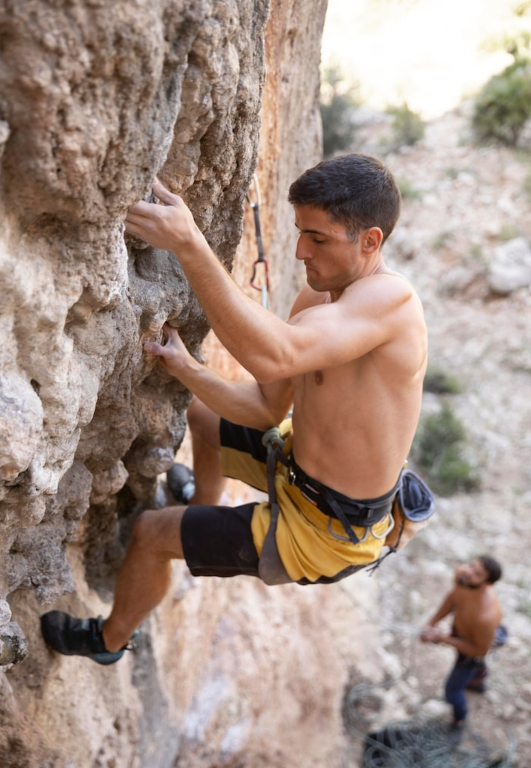
2. Avoid Anchoring Yourself at the Start of a Single-Pitch Route
Unless the starting area is a narrow ledge or the climber is significantly heavier, the belayer should remain mobile.
This allows for side-to-side movement or absorption of sudden impact during a fall.
This flexibility helps avoid rockfall injuries and enables low-impact catches when the climber is not properly protected—two aspects often overlooked in indoor climbing.
3. Focus Fully on the Climber Until the First Protection Point is Placed
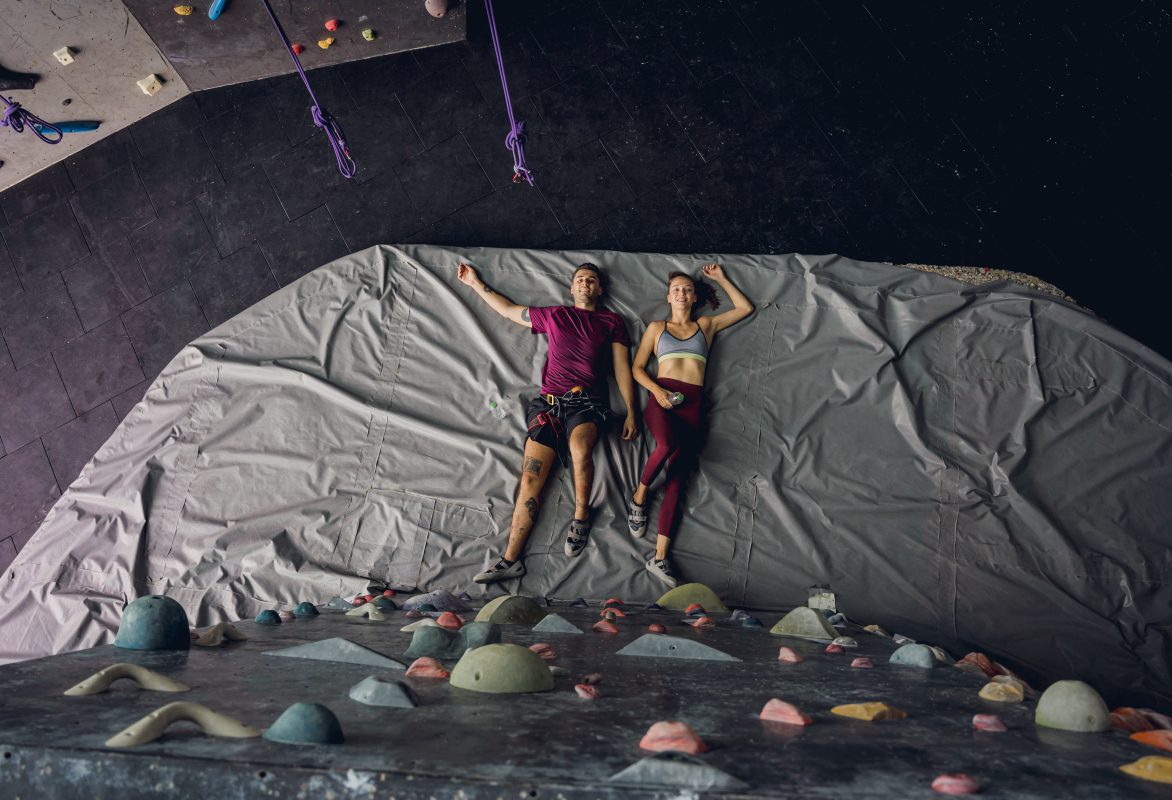
Indoor floors are usually padded, while outdoor ground often consists of gravel, roots, or other hard surfaces. Even a short fall can result in serious injury.
Before the first bolt or protection point is clipped, the belayer should act as a “spotter” rather than a “belayer.”
Ensure the climber correctly places gear and provide enough slack in the rope for them to clip the first piece of protection.
Keep hands off the rope and belay device, focusing instead on the climber’s movements.
The goal is not to completely prevent a fall, but to mitigate its consequences.
Only after the climber has clipped the first protection point should the belayer switch to full belaying mode.
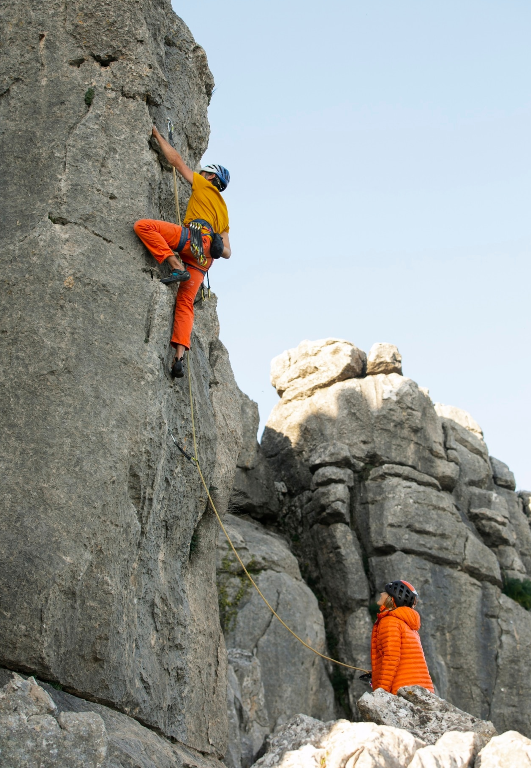
4. Avoid Walking on Non-Climbing Surfaces in Climbing Shoes
Climbing gym floors are generally clean, while outdoor surfaces are often covered with gravel, dirt, or vegetation.
Climbing shoes rely on direct rubber-to-rock contact; even slight contamination can significantly reduce friction.
Additionally, debris picked up by shoe soles can dirty starting holds, increasing the risk of slipping and negatively affecting both the environment and others’ climbing experience.
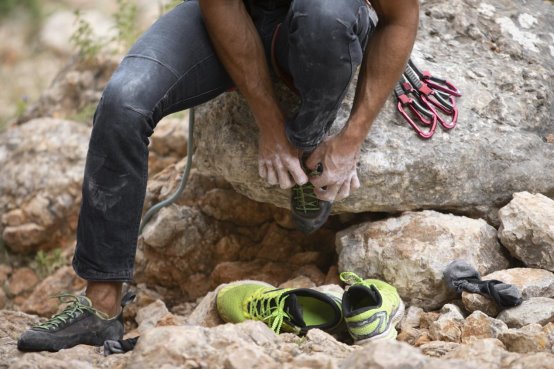
5. Do Not Use Non-Climbing-Specific Carabiners for Climbing
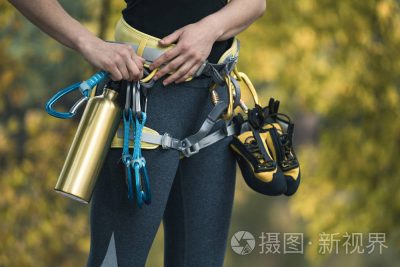
Some climbers may hang decorative or non-load-bearing carabiners from their harnesses, which can pose safety risks during outdoor climbing.
There have been instances where beginners mistakenly used toy carabiners as protection gear.
It is recommended to use only certified climbing-grade carabiners. If you need to hang shoes, water bottles, or chalk bags, ensure all carabiners meet safety standards.