



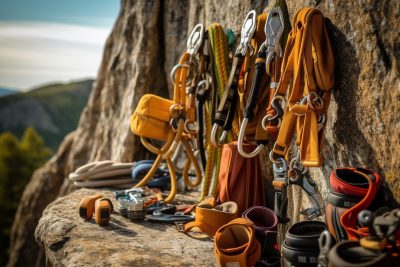
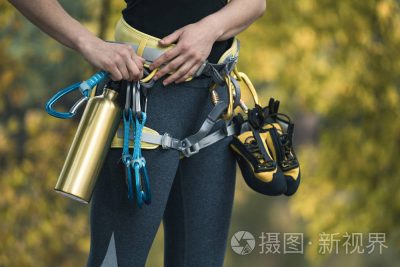
.jpg "Mountain, hiking and fitness safety rope for outdoor rock climbing sport protection with harness. Trekking adventure girl in nature with climber athlete gear for accident prevention in wilderness.")
How to Quickly Master Rock Climbing Techniques?

How can one quickly master rock climbing techniques? Learning rock climbing requires practice. For beginners, how can they rapidly grasp the essential skills?
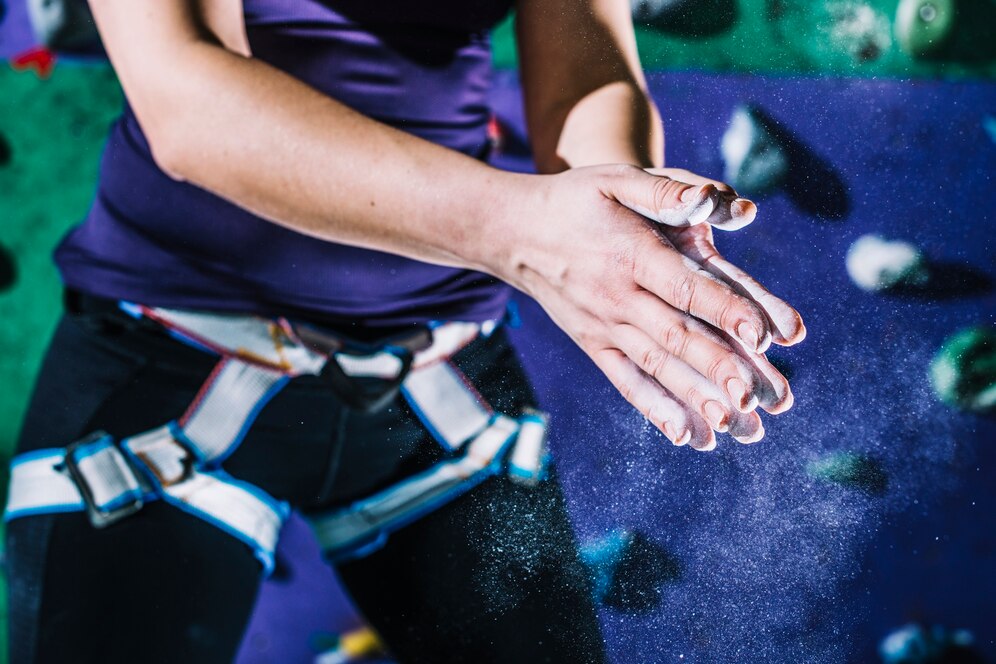
I. Warm-up
Warming up before starting to climb is crucial. Skipping this step significantly increases the risk of injury.
While it’s impossible to quantify exactly how much warm-up improves climbing performance, it undeniably reduces the danger of muscle strains or tears. Never neglect it; it’s an essential step before climbing or training. Although there’s still debate about the best way to warm up, our advice is to find the method that feels most comfortable for you.
The best warm-up is 10-15 minutes of light jogging. If there’s no running track near the climbing wall, jog in place, lifting your knees high, and incorporate skipping and heel kicks.
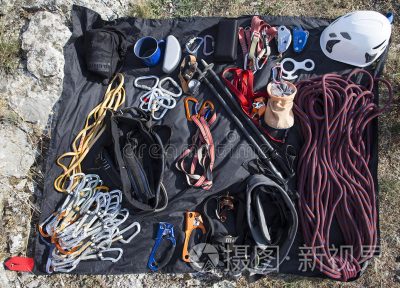
For the first route, engage in dynamic movement for about thirty minutes, especially if you are climbing with gear.
Another significant issue is climbing in fits and starts. Rope setup takes time, allowing the body to cool down. Belaying a lead climber often consumes more mental energy than physical, making you even more prone to cooling down while climbing.
Therefore, before you climb, you must do whatever it takes to maintain your muscle temperature.
II. Bouldering
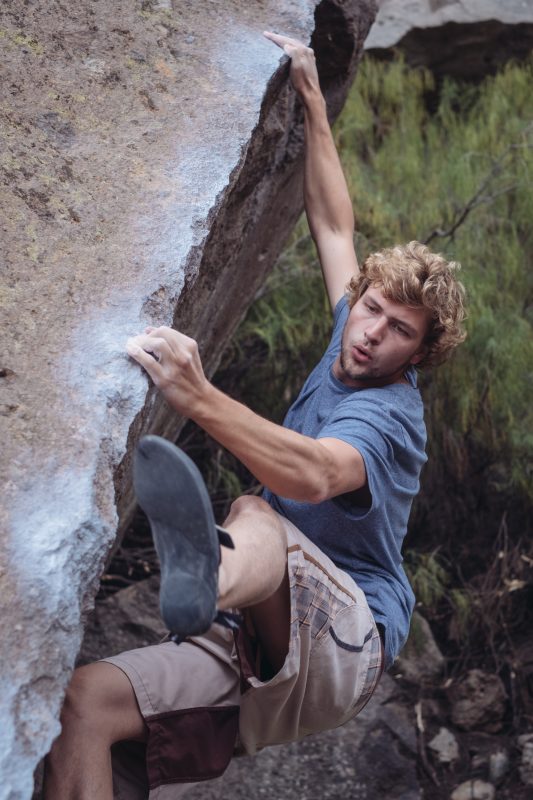
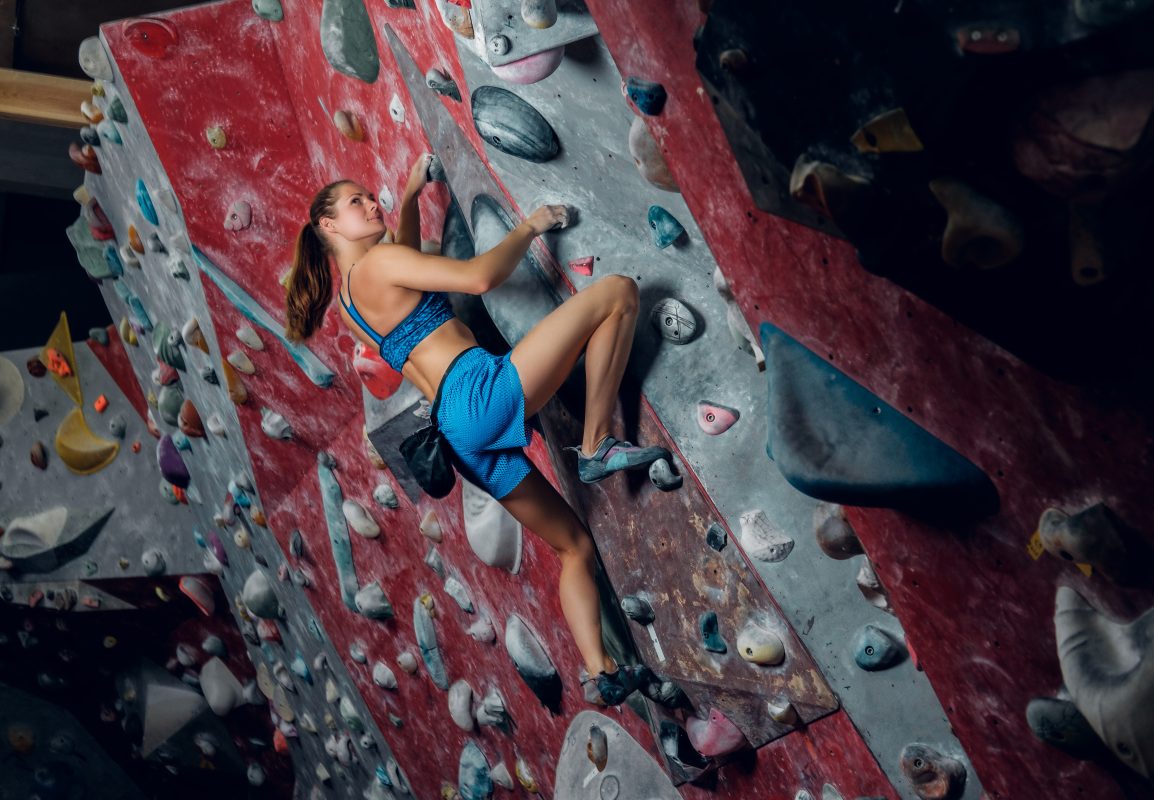
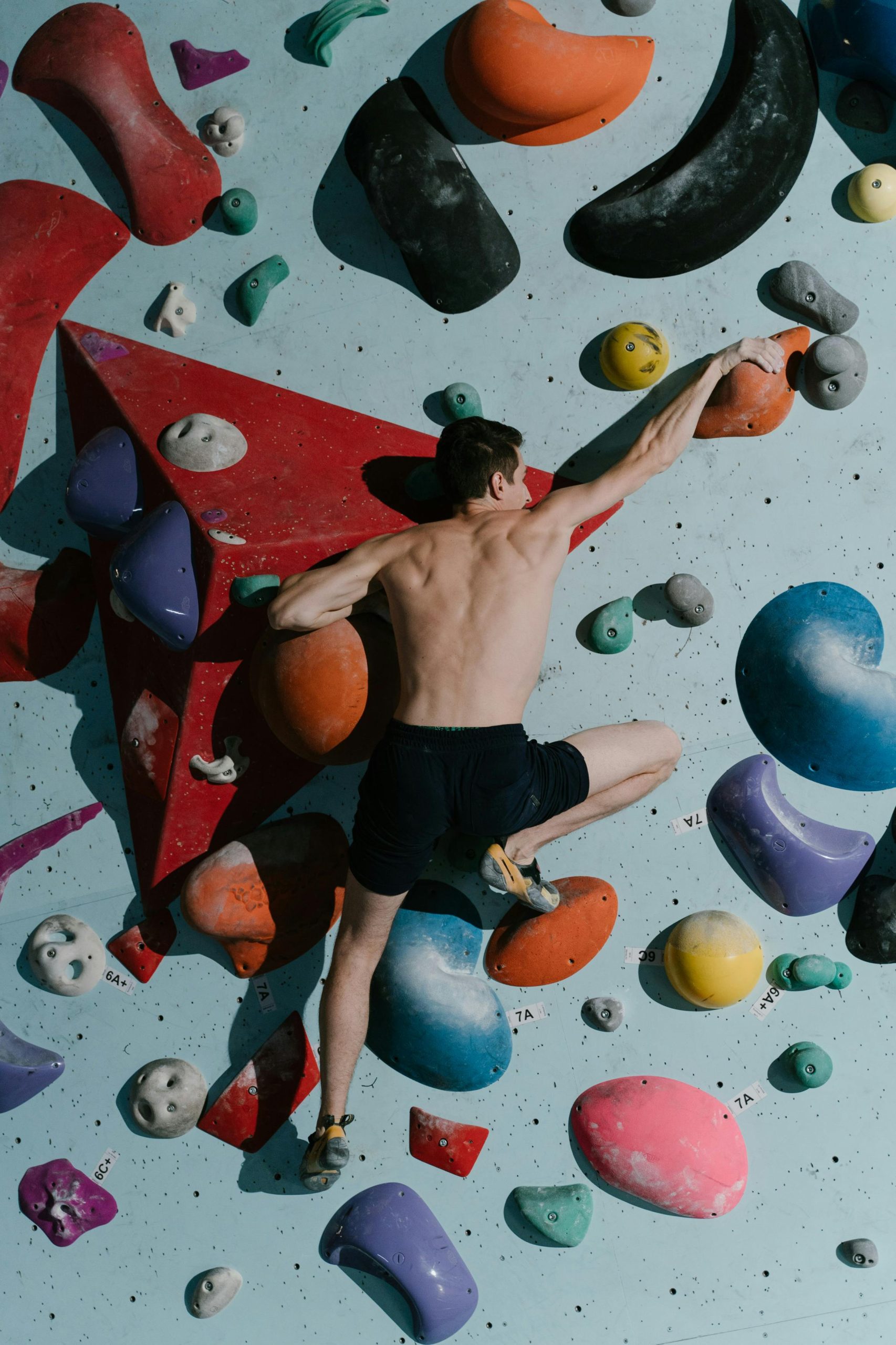
Bouldering is a fundamental form of climbing done without ropes or belays. Climb on large boulders or shorter practice walls; the benefit is being able to return to the ground at any time. However, be cautious to avoid ankle injuries. Having a spotter behind you to guide your fall is better. Regardless, with just a pair of climbing shoes, you can experience the fun of bouldering.
Try to find a boulder featuring various cracks (different sizes), diverse types of handholds, ledges, and pockets – these are terrains you’ll commonly encounter on standard routes. It’s said that the insights gained from climbing 100 feet on lead are equivalent to those from an hour of bouldering.
III. Hand Techniques in Climbing
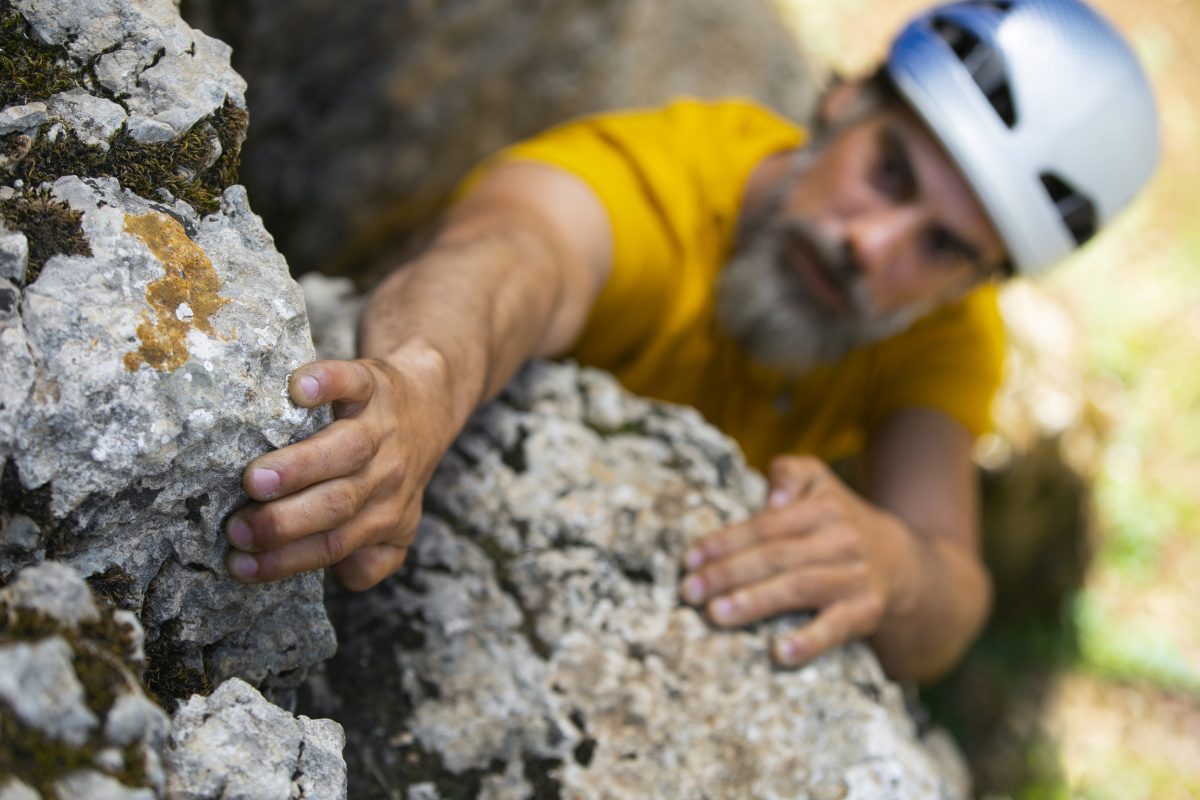
The fundamental purposes of using your hands while climbing are to move the body upwards and keep it as close to the wall as possible.
Holds on the rock come in numerous shapes, with dozens of common types. Climbers need to familiarize themselves with these hold types, understanding where to grip each one and how to apply force. Depending on the position and direction of the protrusion (or indentation) on the hold, techniques include crimping, pinching, pulling, gastoning, palming, and pushing.
Don’t be rigid, though; a single hold can often be gripped in multiple ways.
Finger strength is vital in climbing. It can be developed through exercises like fingertip pull-ups, regular pull-ups, hangboarding, and lifting/pinching heavy objects.
On longer routes, choose easier sections where you can rest each hand alternately.
IV. Footwork in Climbing
Footwork refers to the use of foot movements during climbing, encompassing techniques for stepping on footholds and foot swaps. The correct method for swapping feet ensures stability without increasing the burden on your hands. For example, swapping from the right foot to the left:
- Lift your left foot above your right foot.
- Pivot your right foot counterclockwise (viewed from above), using the far right side of the foothold as the axis, clearing space on the left side of the hold. Keep your weight on the right foot.
- Step the left foot into the cleared space.
- Slide the right foot out smoothly, transferring your weight to the left foot.
V. Unconventional Techniques
- Mantling: Using ledges, cracks, or other features, push down with palms and forearms to lift the body up.
- Bridging/Chimneying: Utilizing a crack wide enough for the body, press your back against one wall and your feet/hands against the opposite wall to move upwards.
- Jamming: Inserting the hand (or fist) into a crack and twisting/camming it to grip the rock and move the body.
- Edging: Using the inside edge of the forefoot or toes to push down, creating support and reducing load on the arms.
- Stemming: Using flexibility to span across features, bypassing difficult sections to find better holds.
- Heel Hooking / Toe Hooking: Hooking the heel or toe onto a hold or feature to gain leverage, maintain balance, or move the body.
- Smearing: Pressing the sole (especially the forefoot) firmly against a sloping or featureless surface using friction for support, reducing arm load and moving the body.
Beyond these specific techniques, climbers should feel free to use any movement, however creative or unconventional, dictated by the immediate situation and their own needs.
There’s no need to be confined to standard forms. Ultimately, any technique that allows you to climb higher and more securely can be considered the most effective.
VI. Targeted Training
Certain daily exercises or specific training routines can enhance climbing ability:
- Pull-ups increase arm and finger strength.
- Regular jump rope improves flexibility and coordination.
- Table tennis/Ping Pong and strategy games (like chess) greatly benefit judgment and insight.
- Swimming strengthens cardiovascular fitness and builds overall strength and endurance.