

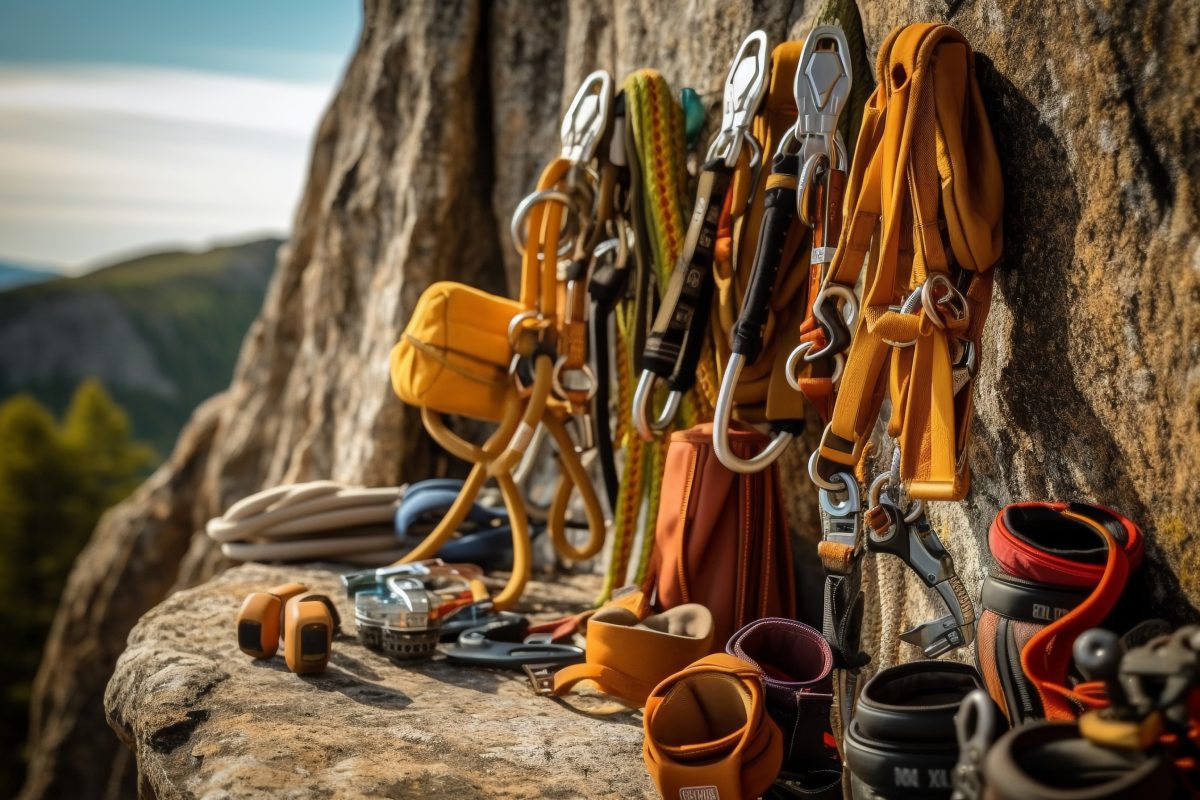
.jpg "Mountain, hiking and fitness safety rope for outdoor rock climbing sport protection with harness. Trekking adventure girl in nature with climber athlete gear for accident prevention in wilderness.")
Key Points for Preventing Leader Falls in Ice Climbing

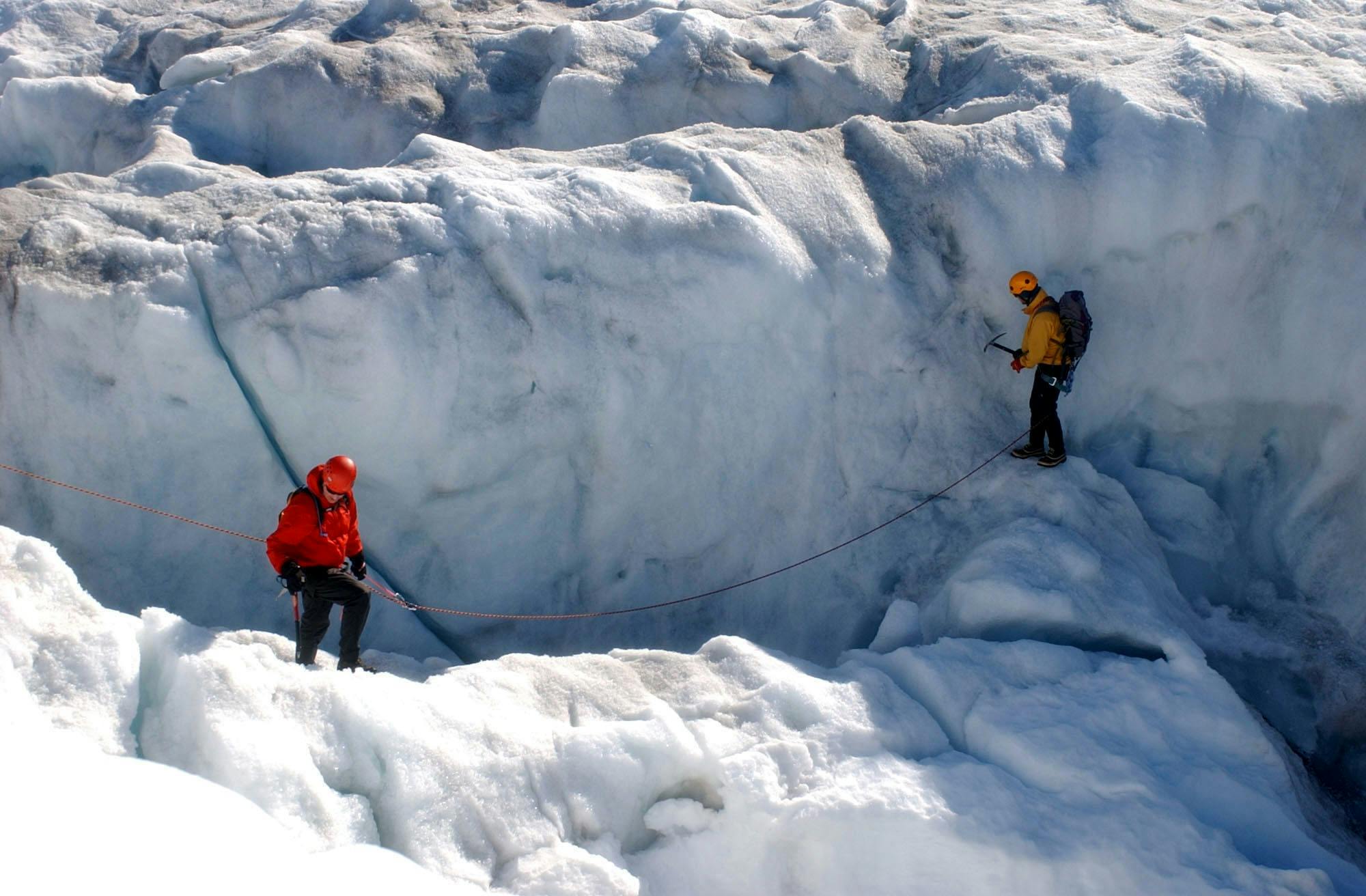
The injury-to-non-injury ratio for leader falls in ice climbing is 2:1. This statistic alone gives us an understanding of the risks involved in falling. Everyone has the potential to fall, but we should strive with all our might to avoid this situation.
In thirty-five years of ice climbing, Will Gadd has never taken a leader fall. Below is a summary of his experience in avoiding them.
I. Understand the Risk, Stay Alert
If you fall while leading on ice, the minimum consequence could be injuries like fractures or a concussion. Therefore, you need to stay alert and ensure you are in the right physical and mental state.
When the risk is high, even a minor mistake can lead to severe consequences. If you maintain a correct perception of the risk and tell yourself, “If I fall, a serious injury is the best-case scenario,” you will climb cautiously.
II. Beware of “Easy” Routes
There is no such thing as “easy” ice terrain. Whether on steep ice or low-angle slopes, the severity of injury from a fall is almost identical.
All ice walls can be deadly. Even on easy terrain, you must remain vigilant because falling means getting hurt.
III. Remind Yourself a Fall is Inevitable… Eventually
The possibility of falling always exists when leading on ice. Even if an ice screw is placed at your waist, the distance you fall can be surprisingly long.
I have several friends who have experienced long falls with serious injuries. Even when there seems to be no risk of falling, I think of them when placing screws, reminding myself that mistakes are hard to completely avoid.
IV. Secure Your Foot Placements
Most falls I’ve witnessed recently started with a foot placement failing, followed by the tool ripping. If your foot placements aren’t secure, you are in danger.
V. Ensure Secure Tool Placements
If your tool placement won’t hold your weight after a foot blow, it’s not secure. Occasionally you’ll find routes suitable for hooking, but the rule remains: the hook must be absolutely bomber. A placement that hooks downward may not hold an outward pull.
If there’s the slightest doubt, swing the tool securely. Don’t hold back – swing until it’s unequivocally solid.
If you don’t understand the sound of a good stick, the ice conditions, and how to test your placements, you shouldn’t be leading on ice.
VI. Don’t Climb Below Other Climbers
Don’t complain about icefall; it’s part of ice climbing. But if it hits you, you could fall or be seriously injured.
If someone climbs below me, I make my position clear: I don’t want anyone bleeding. If I’m on a route and someone starts moving towards me or near me while I’m belaying, I communicate politely to reach an understanding.
VII. Don’t Place Ice Screws Too High
I’ve seen several incidents where a screw was placed too high, leaving one tool dangling on the ice. It’s easy to imagine what happened just before.
Placing a screw too high applies a direct outward force on the pick tip, potentially causing the ice to fracture. Screws are generally best placed lower; it’s easier to climb past and less likely to cause you to fall.
VIII. Don’t Focus Solely on Speed
Kick ice, swing tools, use proper technique, and climb smoothly. Smoothness equates to efficiency and speed.
When I see someone climbing without properly kicking ice or swinging tools, I get terrified because they might not realize how dangerous their situation is.
Masters like Ueli Steck, with decades of experience, might climb fast, but you are not Ueli. Remember, Ueli also fell to the ground multiple times.
IX. Pay Attention to Anomalies
Recently, while ice climbing with a student, a tool popped unexpectedly. But subsequent placements were solid, and I led the rest of the challenging route without issue. Later, I top-roped a route and a tool placement blew. I replanted the tool, pulled up, and it popped again. What was going on? Doesn’t the ice know who I am? Embarrassed, I swung harder, topped out, but remained puzzled.
That evening, inspecting my tool, I discovered the pick tip had broken at a 45-degree angle. It had been like that before the top-rope climb, but swinging from behind, I couldn’t see it.
I failed to notice the early signs of a problem, which could have led to a fall while leading. Years of experience tell me that when something feels “off,” there usually is a problem, even if I haven’t identified it yet.
X. Don’t Be Overly Optimistic
Don’t be overly optimistic about your abilities, the ice conditions, your performance, or anything else of that nature.
If you want to survive, be pessimistic and assess your abilities accurately. When you’re good enough, you’ll know because you have the potential to be good. While climbing, slow down and follow the correct process.
XI. Stop Before You Fall
If your arms are pumped, clip a sling to a securely placed tool and hang to rest. Place one or two screws, or make a V-thread to hang from. Or downclimb to a rest stance. If the ice below is bad, don’t expect it to improve above.
You shouldn’t keep climbing when your arms are pumped; you need more control. Weigh the risks before seeking the reward. Feeling in control is satisfying, but falling brings deep regret.
XII. Fear Means You’re Overestimating Your Ability
“Having fun” means you are climbing smoothly, safely, and are in control of the situation. If you’re not having fun, something is likely wrong.
Finally, if you get into trouble, at least ensure you have communication methods, backup plans, and adequate survival gear. Climbing somewhere with no phone signal and no way to contact the outside world is unwise. With solid emergency plans in place, you can better enjoy the incredible experience ice climbing offers.